


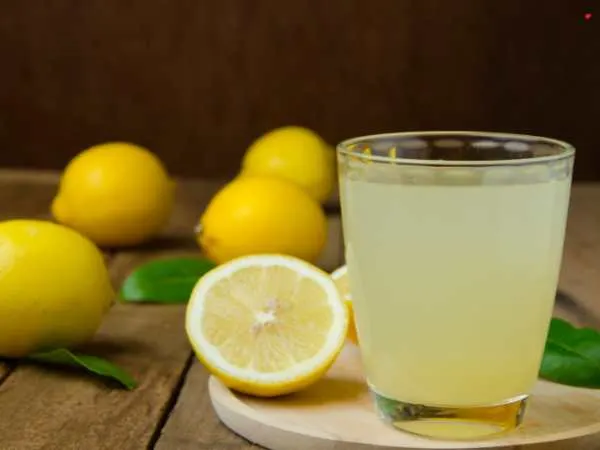
Ever stood in the kitchen, holding a stubborn lemon and thinking, “Okay… but seriously… how much juice is even inside this thing?”
Yeah, same. I’ve been there—squeezing for dear life while a recipe casually says “juice of 1 lemon” like all lemons are created equal. Spoiler: they’re not.
So today, let’s break it down—how much juice is in one lemon (ml, tbsp, grams, cups), plus a few little tricks to get the most juice out of those bright yellow heroes.
Whether you’re cooking, baking, detox-watering, or just trying to impress someone with your lemon knowledge (honestly, go for it), this guide will help.
How Much Juice in One Lemon? (Quick Answer)
Here’s the average juice you get from a medium, fresh lemon:
- In mL: 45–50 ml
- In Tablespoons: 3 tbsp
- In Grams: 45–50 grams of juice
- In Cups: ¼ cup (approx.)
But… it varies. A lot.
Small lemons squeeze out less, big juicy ones can surprise you.
also read : – Hong Kong’s Best Family-Friendly Restaurants
Why Lemon Size Matters (More Than You Think)
Let me tell you—one time I bought these tiny lemons from a corner shop (you know the kind that look cute but do nothing), and I swear I got like… a teaspoon of juice. I was betrayed.
Here’s the rough breakdown:
Small Lemon
- 1–2 tbsp juice
- Around 15–30 ml
Medium Lemon (most recipes assume this)
- 3 tbsp
- 45–50 ml
- 45–50 g
Large Lemon
- 4–6 tbsp
- 60–90 ml
If a recipe doesn’t specify, assume a medium one.
Juice of 1 Lemon in ML (Most Searched Answer)
A medium lemon gives you:
👉 45–50 ml of juice
For drinks and dressings, that’s the sweet spot.
Juice of 1 Lemon in Tablespoons
A super-common cooking measurement:
👉 1 lemon = 3 tablespoons of juice
If you’re making lemonade or salad dressings, just remember the magic number: three.
Juice of 1 Lemon in Grams
Since lemon juice weighs almost the same as water:
👉 1 lemon = 45–50 grams of juice
This is useful if you’re following a baking recipe that uses weights (bakers are precise like that).
Juice of 1 Lemon in Cups
A lot of people ask this, especially for lemonade:
👉 1 lemon ≈ 0.25 cup (¼ cup)
4 lemons = 1 cup of juice
Keep that in your back pocket for summer.
Why Lemons Give Different Amounts of Juice (The Mini Science Part)
Not all lemons behave. Some are dry. Some drip instantly. Some are rock hard like they spent their childhood in the freezer.
Juice content depends on:
- Ripeness — ripe = softer = more juice
- Temperature — room temp lemons give more than cold ones
- Thickness of skin — thin-skinned lemons are juicier
- Age — older lemons lose moisture
A lemon left in your fridge for months? Yeah… don’t trust that guy.
How to Get More Juice Out of One Lemon (My Favorite Tricks)
These simple hacks actually work—I’ve tried them all while panic-cooking.
1. Roll it like pizza dough
Press firmly and roll the lemon on your countertop before cutting.
This breaks down the membrane.
2. Microwave for 10–15 seconds
Just enough to warm it—not cook it.
Warm lemons = more juice.
3. Cut lengthwise instead of widthwise
This exposes bigger juice pockets.
4. Use a fork inside the lemon
Twist it gently… magic.
5. Store lemons at room temperature
Cold lemons give less juice.
These tricks can increase yield by 20–30%. Yes, really.
also read : – 3 Gentle Ways To Introduce Yourself To A Vegan Lifestyle
How Many Lemons for a Cup of Juice?
Here’s the simple math:
- 1 lemon = ¼ cup
- 4 lemons = 1 cup
- 8 lemons = 2 cups
For lemonade lovers:
6 lemons + 4 cups water + ½ cup sugar = perfect homemade lemonade.
Bottled Lemon Juice vs. Fresh Lemon Juice
Okay, look—not to be dramatic—but fresh lemon juice just tastes better.
But bottled works when you’re tired, late, or the lemons went bad.
Here’s the difference:
Fresh Lemon Juice
✔ Better flavor
✔ Natural acidity
✔ Has aroma & freshness
Bottled Lemon Juice
✔ Convenient
✔ Longer shelf life
✔ Consistent acidity
✘ Often slightly bitter
✘ Missing the fresh lemon zest oils
If a recipe says “juice of 1 lemon”, use 3 tbsp bottled.
Not perfect, but it works.
Lemon Juice Conversion Table (Easy Reference)
| Measurement | Amount |
| 1 lemon (medium) | 45–50 ml |
| 1 lemon | 3 tbsp |
| 1 lemon | 45–50 grams |
| 1 lemon | ¼ cup |
| 2 lemons | ½ cup |
| 4 lemons | 1 cup |
| 6 lemons | 1.5 cups |
Keep this saved somewhere—you’ll need it more than you think.
How Many Lemons Should You Buy? (Real-Life Scenarios)
Lemonade (1 liter pitcher)
- 4–5 lemons
Lemon Cake
- 2 lemons
Salad Dressing
- 1 lemon
Detox Water
- ½ lemon
Hummus
- 1 lemon
Marinades
- 1–2 lemons depending on tanginess
Fun Fact: Largest Lemon Ever Had 5 Cups of Juice
The Guinness World Record lemon weighed over 11 pounds.
Imagine one lemon giving enough juice for an entire lemonade stand.
FAQs About Lemon Juice (Because Everyone Wonders These Things)
How many tbsp are in one lemon?
About 3 tablespoons.
How many lemons for 1 cup of juice?
You need 4 medium lemons.
Is bottled lemon juice the same as fresh?
Not really—bottled is more bitter and lacks aroma, but works in a pinch.
How much juice is in half a lemon?
1.5 tbsp or around 20–25 ml.
Do bigger lemons always have more juice?
Usually, yes—but thin skin matters more than size.
Can you freeze lemon juice?
Absolutely.
Use ice cube trays—super handy.Why is my lemon so dry?
It might be:
underripe
overripe
refrigerated too long
thick-skinned varietyDoes microwaving lemons actually help?
Yep. 10 seconds = noticeably more juice.
Final Thoughts
Lemons seem simple… but they’re sneaky.
One might flood your cutting board with juice, another might give you just a sad droplet. But now you know exactly what to expect:
👉 One lemon = 45–50 ml / 3 tbsp / ¼ cup
And honestly—once you know these conversions, cooking becomes way less “ugh, guess-work” and way more “okay, I got this.”

