


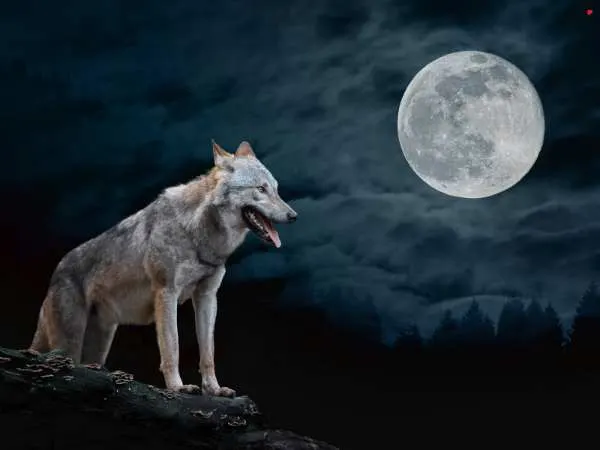
The word direwolf sounds like it belongs in a game, a movie, or a legend. Many people first hear it through shows, stories, or online videos. Then curiosity kicks in. Was a direwolf real. Did it actually exist. Was it just a bigger wolf. Or was it something else entirely.
I had the same questions the first time I looked into it. The answers turned out to be simpler and more interesting than the myths. A direwolf was real. It lived on Earth. It hunted real animals. It went extinct. And it was not just a “giant wolf.”
This guide breaks it all down in clear language. No hype. No scary storytelling. Just what a direwolf actually was, how it lived, how it differed from wolves today, and why it keeps showing up in pop culture.
What Is a Direwolf in Real Life
In real life, a direwolf was a prehistoric carnivore that lived during the Ice Age. Scientists call it Canis dirus. It roamed North and parts of South America for hundreds of thousands of years.
Direwolves lived alongside animals like giant bison, ancient horses, camels, and ground sloths. They were part of a world filled with large prey and harsh climates.
They disappeared around 10,000 to 13,000 years ago, near the end of the last Ice Age.
So yes, direwolves were real animals. Not myths. Not monsters.
also read : – Leopard v Jaguar: Strength, Danger, Spots, and Why People Keep Mixing Them Up
What Is a Dire Wolf Exactly
A dire wolf was a close relative of modern wolves, but not their ancestor. For a long time, people assumed direwolves evolved into today’s gray wolves. Genetic research later proved that idea wrong.
Direwolves and modern wolves shared a common ancestor far back in time. Then they split onto different paths. They evolved separately, adapted to different needs, and ended up with similar looks but different bodies.
That similarity causes confusion even now.
Why Direwolves Look Like Wolves
Direwolves and modern wolves both belong to the dog family. Nature often repeats shapes that work. Long legs. Sharp teeth. Pack behavior.
These shared traits helped both survive as hunters. But under the surface, differences appear fast.
Direwolves were built heavier. Modern wolves are built leaner.
That single shift changed everything.
What Is a Direwolf Size Compared to a Wolf
Direwolf Size in Simple Terms
Direwolves were larger than most modern wolves. Not taller by much, but heavier and thicker.
Average estimates suggest direwolves weighed 130 to 150 pounds. Some individuals may have been heavier.
Most modern gray wolves weigh 70 to 120 pounds, depending on region.
That extra weight came from bone and muscle, not height.
Direwolf vs Wolf Body Shape
A modern wolf looks athletic. Long legs. Narrow chest. Built for distance.
A direwolf looked stocky. Broad chest. Thick neck. Strong limbs.
If you saw them side by side, the direwolf would look denser, not taller.
also read : – Staying Safe Behind the Wheel: Real Driving Tips for Seniors
What Is a Direwolf Skull Like
The skull tells the clearest story.
Direwolf skulls were broader and stronger. The jaw muscles attached to large surfaces, allowing powerful bites. Teeth were thicker and better suited for cracking and holding.
Modern wolf skulls look slimmer. Their teeth slice efficiently. They rely on speed and teamwork more than raw bite force.
This difference hints at how each hunted.
How Direwolves Hunted
Direwolves likely hunted large prey that did not run fast but fought back. Their bodies suggest strength mattered more than long chases.
They probably worked in packs, using numbers and power to bring prey down.
Modern wolves often chase animals over long distances until exhaustion. That requires stamina, not bulk.
Different prey. Different strategy.
What Is a Direwolf Extinct and Why It Matters
Yes, direwolves are extinct.
They disappeared as the Ice Age ended. Climate changed. Large prey declined. Humans spread across the land. Hunting pressure increased.
Direwolves depended heavily on big animals. When those animals vanished, direwolves struggled to adapt.
Modern wolves adjusted. They hunted smaller prey. They changed range. They survived.
Extinction does not mean weakness. It means specialization met change.
also read : – Mexico Crystal Cave: Inside the Hottest, Heaviest, and Most Extreme Crystal Cave on Earth
What Is a Direwolf Dog and Why People Ask
Many people search for “direwolf dog” hoping it refers to a modern breed.
There is no true direwolf dog.
Direwolves cannot be bred back. They are gone. No living dog or wolf contains direct direwolf ancestry.
Some large dog breeds resemble how people imagine direwolves. Huskies. Malamutes. Irish wolfhounds. These dogs share looks, not lineage.
Any claim of a living direwolf dog is marketing or fiction.
What Is a Direwolf Dog in Real Life
In real life, the closest thing you can see is a large northern dog or wolf, but resemblance stops at appearance.
Direwolves were genetically distinct. They were not just oversized dogs.
Even modern wolves are closer to dogs than direwolves were.
also read : – How Many Quarters Are in Ice Hockey?
What Is a Direwolf vs Wolf Comparison
Size
Direwolves were heavier. Wolves are lighter.
Build
Direwolves were stocky. Wolves are lean.
Teeth and Skull
Direwolves had stronger jaws. Wolves have sharper slicing teeth.
Survival
Wolves adapted. Direwolves did not.
The comparison shows two solutions to hunting. One survived long-term change. One did not.
also read : – What Does OMB Mean? Understanding Its Different Uses Online and in Texting
What Is a Direwolf Werewolf Confusion
Some people link direwolves to werewolves. That connection comes from stories, not science.
Werewolves belong to folklore. Direwolves belonged to nature.
The mix-up happens because both sound powerful and ancient. That’s where the link ends.
Direwolves were animals. They did not transform. They did not have supernatural traits.
What Is a Direwolf in Games and Stories
Fantasy loves direwolves. Games often present them as massive, aggressive wolves with high strength.
These versions exaggerate size and behavior. They borrow the name and scale it up.
That does not make them wrong for storytelling. It just makes them fictional.
Real direwolves were impressive without needing magic.
What Is a Direwolf Aphmau and Online Culture
Many younger audiences encounter direwolves through creators, animations, or roleplay content. In those spaces, direwolves often act as magical companions or shapeshifters.
These versions have nothing to do with paleontology. They are creative symbols.
Understanding the real animal does not ruin the fun. It adds context.
Why Direwolves Keep Fascinating People
They sit at a perfect intersection. Real, but extinct. Familiar, but different. Powerful, but gone.
That combination sparks imagination.
People wonder what it would be like to see one alive. They imagine it beside modern wolves. They picture it in snow or battle scenes.
Curiosity keeps the name alive.
also read : – Lemmings Rodent: The Truth About Their Lives, Myths, Survival, and Strange Reputation
How Scientists Study Direwolves
Most knowledge comes from fossils. Bones. Teeth. Track sites.
Places like tar pits preserved direwolf remains in large numbers. This allows careful measurement and comparison.
DNA studies later clarified their relationship to modern wolves.
Science removed guesswork over time.
What Fossils Can Tell Us and What They Cannot
Fossils show size, shape, and stress patterns. They do not show fur color, exact behavior, or social structure in detail.
We infer carefully.
Certainty grows slowly.
Common Myths About Direwolves
They were not twice the size of wolves.
They were not magical.
They did not live in medieval times.
They were not ancestors of dogs.
Reality stays impressive without exaggeration.
also read : – How to Find Someone’s Address Legally and Ethically
Why Direwolves Matter Today
Direwolves help explain extinction. They show how specialization can become risk. They remind us that adapting matters more than dominating.
They also help people understand evolution better. Similar animals can follow very different paths.
Learning about direwolves sharpens how we view living species.
Final Thoughts on What a Direwolf Is
A direwolf was a real animal, shaped by its time. Bigger than most wolves. Stronger in bite. Less flexible when the world changed.
It lived well for thousands of years. Then conditions shifted.
Understanding direwolves means respecting nature’s balance. Strength helps. Adaptation lasts.
The name survives because the animal mattered.
also read : – How Many Cups in a Quart, Pint, and Gallon? Ultimate Kitchen Conversion Guide
FAQs: What Is a Direwolf
What is a direwolf in real life
A direwolf was an Ice Age predator that lived in the Americas and went extinct around 10,000 years ago.
What is a dire wolf
It was a close relative of modern wolves, built heavier with stronger jaws.
What is a direwolf dog
There is no living direwolf dog. Direwolves are extinct.
What is a direwolf dog in real life
No modern dog is a direwolf. Some breeds only resemble them in appearance.
What is a direwolf vs wolf
Direwolves were heavier and stronger in bite. Wolves are leaner and more adaptable.

