


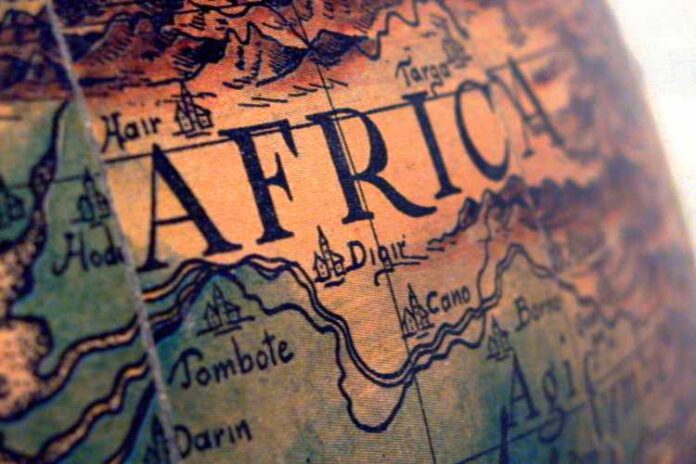
Following Asia in both size and population, Africa is the second-largest and most populous continent in the world. Africa is the least richest continent overall and the least wealthy per person despite having a range of natural resources, trailing only Oceania. Africa’s thriving economy doesn’t garner much attention on a global scale. Instead, the countries on the continent that are in the worst circumstances are typically the center of attention.
So if you are also interested in knowing about the richest countries in Africa then in this article we are going to share about the top 20 richest countries in Africa and what makes their economies strong to provide you with a better understanding.
This ranking is based on nominal GDP for 2025, measured in U.S. dollars at market exchange rates. Nominal GDP shows the size of each economy in today’s money, making it easy to compare across countries. The figures here are rounded for simplicity.
1) South Africa — about $410.3B
South Africa remains the largest economy in Africa in 2025. Its strength comes from a mix of mining, finance, manufacturing, retail, and an expanding tech sector. Strong banks and active capital markets give it stability, even with challenges like load-shedding. Tourism adds billions every year, and infrastructure reforms aim to improve transport and energy.
2) Egypt — about $347.3B
Egypt’s economy is powered by tourism, agriculture, gas exports, and the Suez Canal. The canal is a vital trade route, bringing in steady income. While currency fluctuations have posed challenges, new projects in energy and industrial zones are helping diversify growth.
3) Algeria — about $268.9B
Algeria relies heavily on oil and gas exports. These fuels drive most of its income, funding the state budget and public services. While the government is investing in renewable energy and local industries, oil prices still have a major impact on the economy.
4) Nigeria — about $188.3B
Nigeria is Africa’s most populous country and a hub for West African trade. It faces inflation and currency issues but benefits from strong telecoms, agriculture, and services. A recent GDP rebasing added about 30% to its official economy size, showing the rise of new sectors like fintech.
5) Morocco — about $165.8B
Morocco’s economy is diverse, with strengths in tourism, car manufacturing, phosphates, and renewable energy. Its Tangier Med Port connects it to European trade, and the country is expanding manufacturing to reduce its reliance on farming, which is vulnerable to droughts.
6) Kenya — about $131.7B
Kenya leads East Africa’s economy with finance, ICT, tourism, and agriculture. Mobile money has revolutionized business transactions, especially for small businesses. Major infrastructure upgrades, like roads and ports, are boosting trade in the region.
7) Ethiopia — about $117.5B
Ethiopia’s growth is driven by agriculture, textiles, and large construction projects. Industrial parks aim to grow manufacturing exports. Peace and better transport systems will be key to unlocking more growth in the coming years.
8) Angola — about $113.3B
Angola’s main income comes from oil and diamonds. The country is trying to reduce its dependency on imports by boosting local agriculture and food processing. New port projects aim to strengthen its role in international trade.
9) Côte d’Ivoire — about $94.5B
Côte d’Ivoire is the world’s top cocoa exporter. It also sells cashews, rubber, and gold. Recent investments in roads and energy are improving logistics, and the government is focused on processing more crops locally to increase earnings.
10) Ghana — about $88.3B
Ghana’s economy relies on gold, cocoa, and oil. Efforts are underway to diversify into services and technology. Fiscal reforms and international financial support are aimed at stabilizing the currency and reducing debt.
11) Tanzania — about $86.0B
Tourism, gold mining, and agriculture form the backbone of Tanzania’s economy. Gas development projects and improved transport links are expected to boost trade. Zanzibar and Serengeti remain popular destinations for tourists.
12) Democratic Republic of the Congo — about $79.1B
The DRC has some of the world’s largest reserves of cobalt and copper, which are key for electric vehicle batteries. However, poor transport and electricity shortages limit growth. Infrastructure upgrades could unlock huge potential.
13) Uganda — about $64.3B
Uganda’s economy is based on coffee, fishing, and services. Oil discoveries and a planned export pipeline could transform its future earnings. Hydropower projects are improving energy availability for businesses.
14) Tunisia — about $56.3B
Tunisia earns from tourism, olive oil, textiles, and auto parts. Access to European markets gives it a trade advantage. Tight government budgets make export growth essential for stability.
15) Cameroon — about $56.0B
Cameroon’s income comes from oil, cocoa, coffee, and timber. A growing service sector supports urban jobs. Improved road links to neighboring countries are helping regional trade.
16) Libya — about $47.5B
Libya’s economy depends almost entirely on oil. Political stability and repairs to energy infrastructure are critical for growth. Output can swing widely based on production levels and world prices.
17) Zimbabwe — about $38.2B
Zimbabwe’s economy relies on gold, platinum, and farming. Currency reforms aim to control inflation. Investment in mining and better electricity supply are priorities for growth.
18) Senegal — about $34.7B
Senegal’s main sources of income are fishing, services, and new offshore energy projects. Its port in Dakar is one of West Africa’s busiest, and industrial zones are attracting investment.
19) Sudan — about $31.5B
Agriculture plays a big role in Sudan’s economy. Ongoing political and economic challenges have slowed growth, but trade routes along the Nile and across borders remain important.
20) Guinea — about $30.1B
Guinea is one of the world’s top bauxite producers, used for making aluminum. New rail and port projects aim to expand exports. Plans to develop local refining could increase value in the long run.
also read : – How to Make a Meme: A Simple Guide to Create Your Own Memes and Share the Fun
What the richest African economies have in common
These countries often have large populations, valuable natural resources, or strategic trade hubs. The most successful ones combine resources with good infrastructure, diversified industries, and stable policies.
Trends to watch in 2025
- Digital services and fintech are growing fast in Kenya, South Africa, Ghana, and Nigeria.
- Electric vehicle metals are boosting demand for minerals in the DRC and Zambia.
- North African economies are blending tourism, manufacturing, and energy exports.
- West Africa is seeing growth from agriculture, mining, and oil.
Why do some African countries have much lower GDP per capita despite regional similarities
Even within the same region, countries can have very different income levels because the drivers of prosperity differ sharply across institutions, health burdens, infrastructure, macro policy, integration, and resource management.
1) Institutions and governance quality
- Research shows that secure property rights, rule of law, and inclusive political institutions strongly raise long-run income; where institutions are extractive, investment and productivity suffer, lowering GDP per capita.
- Historical patterns matter: colonial-era “extractive” institutions persisted more where settler mortality was high, depressing today’s incomes relative to neighbors with more inclusive systems.
2) Health burdens that hit productivity
- Endemic diseases like malaria reduce labor productivity, deter investment, and raise household and public costs, weighing on growth and per‑capita incomes.
- Modeling suggests that large malaria reductions could add tens of billions to Africa’s GDP annually, highlighting the growth drag where the disease burden remains higher than in nearby countries.
3) Infrastructure gaps and high trade costs
- Transport, power, and digital shortfalls push African trade costs ~50% above global averages, with big cross‑country differences; weak logistics and unreliable electricity suppress firm productivity and wages, widening income gaps within regions.
- Limited energy access—less than half the population with reliable electricity in many places—directly constrains industrial jobs and services growth that lift GDP per capita.
4) Exposure to shocks, debt stress, and macro policy
- Countries with high debt, volatile terms of trade, and weak fiscal frameworks face stop‑go cycles that undercut investment and real income growth, diverging from neighbors with better buffers and policy credibility.
- Counter‑cyclical fiscal policy and domestic revenue mobilization help smooth commodity swings; where absent, downturns hit per‑capita incomes harder and longer.
5) Resource dependence and the “resource management” gap
- Natural resources can lift incomes, but weak institutions often turn resource wealth into volatility and underinvestment in human and physical capital, limiting broad-based gains.
- Evidence stresses that human capital, business climate improvements, and fiscal rules are needed to translate resource rents into sustained per‑capita income gains; countries that miss these steps lag neighbors.
6) Human capital and FDI/trade integration
- Education quality and secondary enrollment track with FDI attraction; countries with stronger human capital, openness, and rule of law draw more investment and jobs, raising incomes relative to peers.
- Where trade openness and FDI linkages are deeper, spillovers into local firms and value chains are larger; thin integration leaves similar‑looking neighbors with much lower productivity and earnings.
7) Geography, disease ecology, and persistence
- Geography per se is not destiny once institutions are accounted for, but disease ecology shaped institutional choices historically and still affects costs and investment patterns today, sustaining income gaps among close neighbors.
- Climate vulnerability and extreme weather disproportionately hit agriculture-dependent economies, amplifying divergence where adaptation capacity and trade connectivity are weaker.
also read : – How Many Cups in a Quart, Pint, and Gallon? Ultimate Kitchen Conversion Guide
Why ranks change from year to year
GDP rankings shift due to changes in commodity prices, currency exchange rates, weather events affecting agriculture, and government policies. A big reform or a sudden price spike in oil or minerals can move a country several places up or down.
Final Words
Africa’s richest countries are diverse in what drives them—some rely on oil, others on farming, tourism, or finance. But one thing is clear: economies grow best when they spread income sources, keep infrastructure strong, and make it easier for businesses to operate.

