


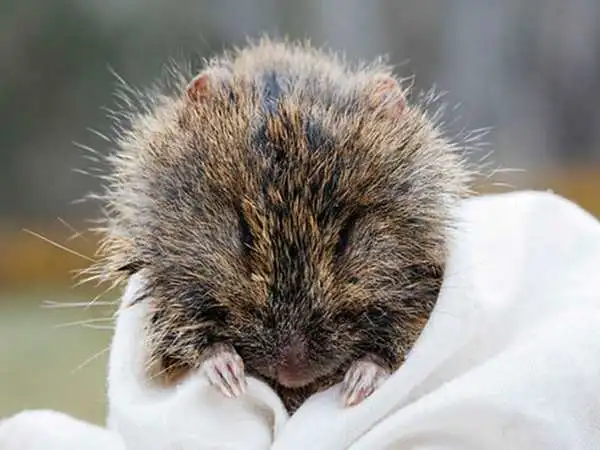
When people search lemmings rodent, they usually carry one powerful image in their mind. Tiny animals rushing together, blindly following each other, and leaping off cliffs. That story has been told for decades. It shows up in cartoons, jokes, documentaries, and even business metaphors. And yet, it’s almost completely wrong.
I used to believe it too. Most of us did. It sounded dramatic. It fit neatly into a lesson about blind behavior and poor decision-making. But when I actually dug into the biology, behavior, and ecology of lemmings, the truth turned out to be far more interesting. These animals aren’t dumb. They aren’t suicidal. They aren’t mindless followers. They’re tough, fast-breeding survivors built for some of the harshest environments on Earth.
This blog takes a deep look at the lemmings rodent, their real behavior, the myths surrounding them, the different lemming species, their lifespan, whether they can be pets, and why the cliff story refuses to die.
also read : – The Safest City in the United States: Where Safety Feels Like Daily Life, Not a Statistic
What Is a Lemming Rodent
A lemming is a small, stout rodent that lives mostly in Arctic and subarctic regions. These animals are adapted to extreme cold, deep snow, and short summers. Their bodies are compact, their fur is thick, and their instincts are tuned for survival in some of the most unforgiving terrain on the planet.
Lemmings belong to the rodent family, related to voles and hamsters. They look similar, but their lifestyle is very different. They live fast, reproduce quickly, and form a key foundation of Arctic food chains.
Without lemmings, many northern predators would struggle to survive.
Where Lemmings Live and How They Survive
Lemmings are found across:
- Northern Canada
- Alaska
- Siberia
- Scandinavia
- Arctic islands
Their habitat includes tundra, grasslands, moss beds, and snowy plains. Winters last most of the year. Food becomes scarce. Temperatures drop well below freezing. Yet lemmings remain active beneath the snow, carving tunnel systems that protect them from wind and predators.
This underground world allows them to:
- Store food
- Breed during winter
- Avoid surface predators
Their survival strategy depends on movement, adaptability, and speed, not blind obedience.
also read : – How Many Quarters Are in Ice Hockey?
Why Do Lemmings Jump Off Cliffs: The Real Story
The question why do lemmings jump off cliffs has shaped their reputation for generations. The short answer is: they don’t.
This myth originated largely from a staged wildlife documentary in the 1950s. Filmmakers, seeking dramatic footage, herded lemmings toward a cliff, filming them as they fell. The footage went viral long before viral was a word.
The scene convinced millions that lemmings commit mass suicide.
In reality, lemmings migrate when populations explode. During these migrations, some may accidentally fall from high places, especially in unfamiliar terrain. But there is no biological drive pushing them to self-destruct.
They are not suicidal. They are moving.
Migration, Overcrowding, and Accidental Deaths
Lemming populations rise and fall in dramatic cycles. Every few years, numbers skyrocket. When food runs low, they scatter across the landscape searching for new resources.
This mass movement:
- Looks chaotic
- Happens quickly
- Can involve dangerous terrain
Accidents occur, just as they do during animal migrations everywhere. But accidents are not intent.
No lemming is choosing death.
Also Read – What Language Do People Speak in Switzerland? A Friendly Guide to Switzerland Languages
Are Lemmings Dumb: Breaking the Stereotype
The phrase are lemmings dumb reflects how deeply the cliff myth shaped public perception. Lemmings are not unintelligent animals. They show complex behaviors tied to survival, reproduction, and environmental awareness.
They:
- Build tunnel networks
- Adjust feeding patterns
- Recognize predator threats
- Navigate snow cover efficiently
What looks like chaos often represents urgency. Their life span is short. Their environment is brutal. Speed matters more than caution.
That doesn’t equal stupidity.
Lemming Species: How Many Types Exist
There isn’t just one kind of lemming. Multiple lemming species exist, each adapted to specific environments.
The most well-known include:
Norway Lemming
One of the most iconic species, famous for bold coloration and aggressive behavior.
Siberian Lemming
Lives in Arctic Russia and northern Asia, adapted to extreme winters.
Brown Lemming
Widespread across North America, forming the backbone of Arctic food systems.
Collared Lemming
Known for seasonal fur changes that help with camouflage in snow.
Each species plays a vital role in its ecosystem. Differences in behavior, size, and habitat allow lemmings to thrive across vast northern landscapes.
also read : – In search of a spark: where relationships are born in the age of digital connections
Lemming Lifespan: Living Fast in a Dangerous World
The typical lemming lifespan ranges from 1 to 3 years. That might sound short, but in Arctic ecosystems, it’s fairly standard for small mammals.
High predation pressure means:
- Survival favors rapid reproduction
- Short life cycles maintain population stability
Lemmings breed aggressively. A single female can produce multiple litters per year. This ensures that even when predators reduce numbers, populations can recover quickly.
Their strategy is simple: reproduce fast, spread widely, survive long enough to repeat.
Lemmings and Their Role in the Arctic Ecosystem
Lemmings sit at the center of Arctic food webs.
Predators that depend on lemmings include:
- Arctic foxes
- Snowy owls
- Ermines
- Wolves
- Weasels
When lemming populations rise, predator numbers follow. When lemmings decline, predators struggle. This ripple effect shapes entire ecosystems.
In many Arctic regions, lemmings determine survival rates for dozens of species.
How Lemmings Change the Landscape
Beyond feeding predators, lemmings influence plant growth and soil health.
Their burrowing:
- Aerates soil
- Redistributes nutrients
- Encourages plant regrowth
By feeding on mosses and grasses, they prevent overgrowth and maintain balance.
In ways most people never notice, lemmings engineer their environment.
also read : – What Does OMB Mean? Understanding Its Different Uses Online and in Texting
Can a Lemming Be a Pet
The question can a lemming be a pet pops up often, driven by curiosity rather than practicality.
In most countries, lemmings are protected wildlife. Capturing or owning them is illegal. Even where legal, keeping a lemming as a pet is strongly discouraged.
Why?
- They require cold environments
- Their stress levels rise quickly in captivity
- Their dietary needs are specific
- They display aggression when confined
Lemmings are not domesticated animals. They evolved for survival, not companionship.
Why Lemmings Struggle in Captivity
Lemmings rely on:
- Large roaming areas
- Natural light cycles
- Seasonal temperature shifts
Homes cannot replicate Arctic conditions. Even zoos face challenges keeping lemmings healthy long-term.
What seems cute quickly becomes cruel when the animal’s needs go unmet.
Lemming Behavior: What They Actually Do All Day
Lemmings spend most of their time:
- Foraging
- Burrowing
- Avoiding predators
- Reproducing
They remain active even under snow, building complex tunnel systems that allow winter feeding.
During summer, they increase surface movement, making them more visible to predators and humans alike. This seasonal shift partly fuels the myth of reckless behavior.
Why Lemmings Appear Fearless
Lemmings often display surprising aggression for such small creatures. They will:
- Stand ground
- Bite when threatened
- Confront animals larger than themselves
This boldness improves survival. In environments where hesitation means death, courage matters.
Their confidence does not mean lack of awareness. It reflects evolutionary pressure.
also read : – Top 10 Richest Countries in Asia by GDP per Capita: Know the Richest Countries of Asia
How Climate Change Affects Lemming Populations
Climate change poses serious risks to lemmings.
Shorter winters mean:
- Reduced snow cover
- Less insulation
- Higher exposure to predators
Thawing ground disrupts tunnel systems. Food availability changes. Population cycles become unstable.
Scientists now observe:
- Lower population peaks
- Irregular migration patterns
- Increased winter mortality
These shifts threaten entire Arctic ecosystems.
How Lemming Population Cycles Work
Lemming populations rise and fall in roughly three to five year cycles.
During peak years:
- Numbers explode
- Predators flourish
- Migration increases
During low years:
- Predator numbers drop
- Plant growth rebounds
- Ecological balance resets
This cycle is one of nature’s most dramatic examples of predator-prey dynamics.
How the Cliff Myth Damaged Their Reputation
The suicide myth turned lemmings into symbols of blind obedience. Business articles, psychology textbooks, and cultural jokes often reference “lemming behavior” as mindless following.
This reputation ignores:
- Their survival intelligence
- Their environmental awareness
- Their ecological importance
Few animals suffer from such deep public misunderstanding.
How Scientists View Lemmings Today
Modern research paints lemmings as:
- Environmentally sensitive
- Behaviorally complex
- Ecologically essential
Far from foolish, they represent one of nature’s most refined survival strategies.
Why Humans Remain Fascinated by Lemmings
We project meaning onto animals. Lemmings became symbols because their migration looks dramatic and chaotic. Humans attach stories to chaos.
The myth persists because it offers a simple moral lesson. But biology rarely works that way.
Real life is messier.
FAQs
Why do lemmings jump off cliffs?
They don’t. This myth comes from staged documentary footage. Real lemmings migrate, and rare accidents may occur.
Are lemmings dumb?
No. Lemmings show complex survival behaviors, adaptive intelligence, and environmental awareness.
How long is the lemming lifespan?
Most lemmings live between one and three years.
Can a lemming be a pet?
No. Lemmings are wild animals with specialized needs and do not thrive in captivity.
How many lemming species exist?
Several species exist, including Norway, Siberian, brown, and collared lemmings.
Final Words
The story of the lemmings rodent isn’t about foolishness or blind following. It’s about survival under brutal conditions, rapid adaptation, and ecological balance. These animals thrive where few others can. They shape entire ecosystems. They endure freezing darkness and crushing snow.

