


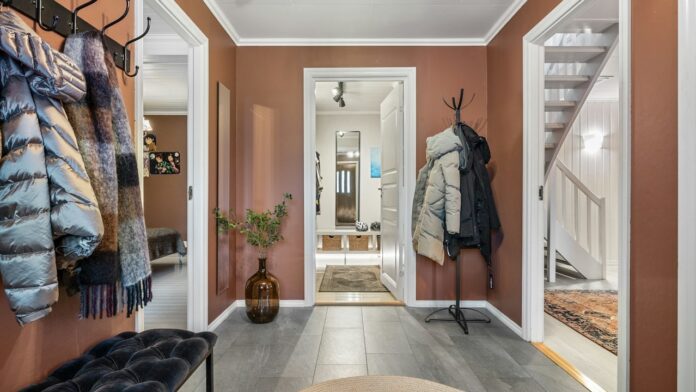
Organizing a small apartment entryway without drilling requires maximizing vertical cubic footage using tension-mounted pole systems, over-the-door organizers with acoustic EVA foam padding, heavy-duty surface-prepped adhesive rails, and ultra-slim freestanding drop consoles. In rental apartments where landlord lease agreements strictly penalize drywall perforations, drilling anchors into shared walls is often prohibited. By deploying structural friction, gravity-balanced weight distribution, and non-destructive adhesive bonding, you can create a high-capacity mudroom drop zone without risking your security deposit. This hands-on interior guide outlines proven no-drill organization systems, compares load ratings, and breaks down small-space entryway ergonomics.
Why Drill-Free Entryway Systems Outperform Conventional Wall Anchors
Relying on drill-free fixtures eliminates structural drywall fracturing, bypasses complex concealed electrical conduit scanning, and enables 100% modular reconfiguration whenever you move. Traditional wall-mounted floating shelves and screw-in coat racks inflict cosmetic damage that requires spackling, sanding, and color-matched paint blending before lease move-out inspections. Drill-free storage provides three measurable benefits:
- Zero Security Deposit Penalties: Preserves pristine drywall surfaces, wallpaper, and rental door frames with zero structural scarring.
- Rapid Relocation & Adjustability: Modular tension poles and freestanding slim cabinets can be shifted to different hallway angles in minutes as seasonal outerwear needs fluctuate.
- High Weight Bearing via Compression: Floor-to-ceiling spring-loaded tension systems support up to 50 lbs across multi-tier coat arms, matching or exceeding standard hollow drywall plastic anchors.
For more home efficiency strategies and space-saving decluttering protocols, explore our detailed breakdown of smart home cleaning workflows as well as our practical framework on decluttering physical living spaces.

No-Drill Storage Systems Comparison Matrix
Selecting the proper hardware requires pairing your entryway surface type with appropriate mechanical load ratings. The comparative matrix below outlines real-world weight tolerances, surface compatibility, and optimal utility zones:
| Storage System Type | Weight Capacity | Optimal Surface Substrate | Primary Functional Use Case |
|---|---|---|---|
| Floor-to-Ceiling Tension Poles | 40 – 50 lbs | Hardwood, tile, solid drywall ceilings | Heavy winter parkas, backpacks, umbrellas |
| Over-the-Door Organizers | 20 – 30 lbs | Standard 1 3/8″ or 1 3/4″ solid/hollow doors | Footwear, dog leashes, beanies, gloves |
| Heavy-Duty Adhesive Rails | 10 – 15 lbs per rail | Smooth painted drywall, polished tile, metal | House keys, lightweight jackets, tote bags |
| Ultra-Slim Flip-Down Shoe Cabinets | 40+ lbs (Freestanding) | Flat perimeter floor against baseboards | Concealed footwear, daily mail, sunglasses |
1. Floor-to-Ceiling Tension Pole Storage Trees
Spring-loaded vertical tension poles provide the highest storage-to-footprint ratio in compact apartment foyers by converting unutilized vertical airspace into structural shelving. Units from manufacturers like Yamazaki Home or adjustable tension rod towers utilize rubberized non-marring silicone pads that grip floors and ceilings through compressed internal springs.
Because the pole has a floor footprint of less than 3 inches in diameter, it slides effortlessly between the front door swing perimeter and adjacent walls. Stagger hook arms at alternating heights: position lower pegs for work backpacks and gym totes, middle tiers for daily coats, and upper hooks for hats and seasonal outerwear.
2. Over-the-Door Organizers with Acoustic EVA Padding
The back of your main apartment entrance or entryway utility closet door provides up to 18 square feet of untapped functional storage space. Instead of using flimsy wire hooks that rattle loudly when opening the door, opt for heavy-gauge alloy brackets lined with adhesive EVA foam strips.
- Measure Door Top Clearance: Place a nickel (approx. 2 mm thickness) on top of your door and close it. If the door closes without catching against the header jamb, standard steel over-door brackets fit perfectly.
- Apply Anti-Scratch Damping: Line the inner contact face of the steel bracket with thin felt or foam tape to prevent paint friction marks on your door’s top edge.
- Install Multi-Tier Canvas Pockets or Tiered Wire Baskets: Use deep structured compartments for mail delivery drop-off, pet accessories, sunglasses, and foldable umbrellas.
3. Heavy-Duty Adhesive Rails (With Mandatory Surface Prep)
Adhesive hooks fail primarily due to microscopic drywall dust and airborne kitchen grease, not weak glue chemistry. Following an exacting surface preparation protocol enables damage-free adhesive strips (such as Command Large Utility or waterproof nano-gel polymers) to reliably hold up to 15 lbs of dynamic load:
- Clean with 70% Isopropyl Alcohol: Wipe the wall surface thoroughly using an alcohol prep pad. Never use household glass cleaners or spray detergents, which leave behind slick silicone residues.
- Wait for Full Bonding Cure: After pressing the adhesive strip firmly against the wall for 30 seconds, slide the hook bracket off and wait a full 24 hours before hanging heavy jackets. This allows the viscoelastic adhesive polymer to fully wet out into the paint surface texture.
- Removal Technique: Never pull adhesive strips outward toward yourself. Always pull the release tab slowly straight down flush against the wall to stretch and release the adhesive bond cleanly without taking drywall paint with it.
4. Ultra-Slim Freestanding Drop Zones & Flip-Down Consoles
Ultra-shallow shoe cabinets measuring under 7 inches in depth provide a sophisticated furniture landing pad without blocking narrow apartment corridors. Standard modular units (such as the IKEA Trones or modern minimalist wood-veneer flip cabinets) stand flush against baseboards while storing 8 to 12 pairs of shoes vertically.
To stabilize slim freestanding cabinets without wall anchors, apply heavy-duty removable hook-and-loop picture hanging strips along the back upper frame. This prevents tipping during drawer operation while peeling cleanly off drywall at the end of your tenancy. Place a decorative ceramic catch-all bowl on top for keys, mail, and transit passes.
5. Magnetic Utility Racks for Steel Entry Doors
Most modern apartment fire codes require solid steel exterior doors, which instantly double as magnetic organizational panels. High-strength neodymium rubber-coated magnetic organizers attach directly to the inside face of your front door without tools, adhesives, or screws.
- Magnetic Key & Mail Racks: Compact units equipped with 6-to-8 rare earth magnets hold outgoing envelopes, car keys, and sunglasses securely even through rapid door closures.
- Magnetic Umbrella Caddies: A two-piece magnetic catch-caddy holds long walking umbrellas upright along the hinge side of the door, completely catching rain runoff with zero floor clutter.
Frequently Asked Questions
How can I organize a tiny apartment entryway without drilling holes?
You can organize a tiny entryway without drilling by combining vertical spring-loaded tension poles, padded over-the-door hanging racks, alcohol-prepped heavy-duty adhesive hooks, and ultra-slim freestanding flip-down shoe cabinets that fit flush against narrow hallways.
Can adhesive hooks really hold heavy winter coats?
Yes, provided the wall is cleaned with 70% isopropyl alcohol and the adhesive strip is allowed to cure for a full 24 hours before hanging weight. Pairing two large 5-to-15 lb rated hooks on a shared wooden rail distributes heavy outerwear loads safely without peeling drywall paint.
Will tension rods damage apartment ceilings or floors?
Quality tension poles feature non-marring silicone or rubber end-caps that disperse pressure evenly without leaving scuffs or dents. They work exceptionally well on hardwood, tile, concrete, and standard drywall ceilings, but should be avoided on fragile acoustic drop-tile ceilings.
How deep should a narrow entryway console or shoe cabinet be?
In small apartments, an entryway console should measure between 6 and 9 inches (15 to 23 cm) in depth. Flip-down shoe cabinets store shoes vertically inside this ultra-slim footprint, keeping the main walking hallway completely clear.

