


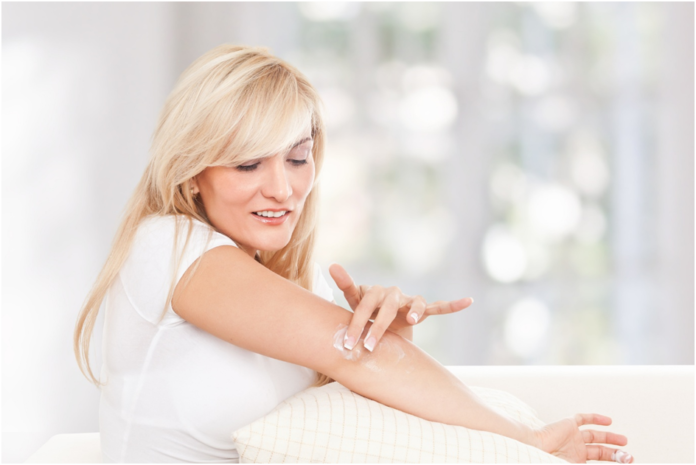
Are you suffering from dry, itchy, and red patches of skin that flares up in certain conditions? This can not only be painful and irritating, but it may prevent you from getting a proper night’s sleep or performing your daily tasks.
Eczema is a common skin condition that usually presents as an itchy red rash. Individuals may find that these red rashes appear when stressed, or alongside hay fever and asthma.
If you think you may have signs of eczema, keep reading for a complete guide to the different types of eczema and how to treat it.
What Is Eczema?
Eczema is a skin condition, itchy inflammation of the skin that is common in children and in people who have a family history of it. It displays as a rash that can pop up anywhere on the skin but commonly affects the skin on the arms, inner elbows, and behind the knees.
Also known as atopic dermatitis, the skin becomes itchy, dry, and flakey alongside a red rash. It is not a contagious skin condition and oftentimes flares up and subsides.
Causes of Eczema
There is no one accepted cause of eczema and it is yet to be fully understood why eczema occurs. It is widely believed to be attributed to an overactive immune system’s response to irritants.
People who suffer from eczema may find that there are certain triggers that cause a flare-up. These may include chemicals in household cleaning products, raised body temperature, stress, synthetic fabrics, and the like. This is not to say that each individual will experience a flare-up when exposed to one of these things. Triggers for one person may be different for another.
Types of Eczema
There are various forms of eczema that produce different symptoms, have different triggers, and may require specialized treatment. Keep reading to learn more about the seven types of eczema.
1. Atopic Dermatitis (AD)
This is the most common type of eczema that typically develops in children. In most cases, it becomes less severe, and sometimes completely disappears with age. AD usually affects people who also have asthma and hay fever or a history of one of the three.
Itching is the core symptom of AD and small bumps often appear, leaking fluid if scratched too much.
2. Contact Dermatitis
This kind of eczema is a reaction that presents in two different forms: Allergic contact dermatitis, caused by an irritant such as metal, and irritant contact dermatitis caused by a reaction to a chemical or substance. Essentially, a rash forms due to an allergic reaction, and people who often work with chemicals tend to get this form of eczema.
Along with itching, there may be some blistering too.
3. Dyshidrotic Eczema
Affecting the hands and feet, it is a painful and sometimes chronic form of eczema that causes intense itching and small blisters. These blisters are filled with fluid and form on the fingers, toes, palms, and soles of feet. Over time, scaly patches will form.
The cause is unknown and it affects more women than men. Flare-ups are often triggered by seasonal allergies as well as metals such as nickel.
4. Neurodermatitis
Similar to AD in symptoms of itching and scratching, however, it is normally isolated to one or two patches of skin. This type of eczema leads to incessant scratching and will not go away if left untreated. The outbreak won’t grow or spread, but the affected area will become thick and wrinkled and infections may develop.
Scratching spurs on this eczema so it does not develop in areas that cannot be scratched.
5. Nummular Eczema
Nummular, meaning ‘coin’ in Latin, was named for the coin-shaped marks that appear on the skin. Visually, Nummular eczema is very distinctive from other types of eczema but is just as itchy.
The main causes are an allergic reaction to an irritant, an insect bite, or very dry skin. People who suffer from a different type of eczema are susceptible to the Nummular form.
6. Seborrheic Dermatitis
Informally known as dandruff, it affects the scalp, eyebrows, skin behind the ears, groin, sides of the nose, and the center of the chest. Skin becomes flakey and falls off in areas that have a lot of oil-producing glands. It is a chronic form of eczema that is most likely caused by a reaction to an excess of Malassezia yeast.
Seborrheic Dermatitis may flare up due to stress and hormonal changes, irritants such as detergents, or cold and dry weather.
7. Stasis Dermatitis
This type of eczema is caused by poor circulation in the lower leg. It leads to fluid leaking out of the weakened veins in the leg and water and blood cells to pool in the leg. It causes an achy feeling in the legs and may lead to some swelling and varicose veins. Open wounds can form on the lower legs and feet and the skin over the weak veins will be dry and itchy.
This usually occurs in elderly people with circulation issues, however, it may be an indication of something more sinister such as heart or kidney disease.
Eczema Treatments
Treatment varies slightly depending on the type of eczema, however, most flare-ups can be treated with some remedies and medicines. You may have to experiment to see what works best for you.
Antihistamines and corticosteroid cream work well to control reduce the itchiness.
Steroids are often prescribed by doctors when the flare-ups are severe and risk worsening or leading to infection if scratching continues.
A cool compress can work to provide some relief in affected areas, although it is not a long term solution. It’s important to keep skin hydrated and moisturized and to avoid harsh chemicals in your home cleaning products and especially in your skincare products.
Once you work to identify the triggers for your eczema, you can work to make some lifestyle changes in order to prevent extreme flare-ups.
The most important thing is to chat with your doctor about possible treatment options and find a dermatologist that can advise you on treatment and prevention.
Living With Eczema
Once you understand the type of eczema you have, you can work towards finding the treatment methods that will best work for you. The most important thing is to identify what triggers your eczema so that you can try to prevent extreme flare-ups and make lifestyle changes that will reduce the occurrence.
Speak to your doctor if you are unsure about whether you have eczema and the best way forwards in terms of treatment.

