


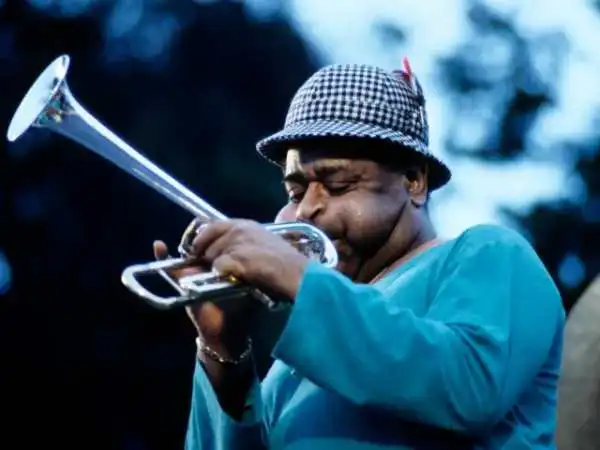
John Birks Gillespie, popular as Dizzy Gillespie, was one of the most influential jazz musicians of all time. His incredible trumpet skills, innovative compositions, and larger-than-life personality made him a legend in the world of music. He wasn’t just a musician—he was a pioneer, pushing the boundaries of jazz and helping shape what we now know as bebop.
This blog explores Dizzy Gillespie’s life, musical accomplishments, family, popular songs and unique style, answering common questions about his career and personal life.
Early Life and How Dizzy Gillespie Got His Nickname
Born on Oct. 21, 1917, in Cheraw, S.C., John Birks Gillespie The youngest of nine, he displayed a youthful interest in music, learning the piano and the trumpet. he had already decided to pursue a career in jazz.
But what was the origin of his nickname, “Dizzy”?
During shows, Gillespie was energetic, playful and unpredictable, especially during performances. His fellow musicians noticed that he was always joking around, full of energy, and never seemed to take things too seriously. Because of his wild and “dizzy” personality, which stuck with him for life.
Dizzy Gillespie’s Musical Style and Influence on Jazz
Dizzy Gillespie was a revolutionary jazz artist who played a major role in developing bebop, a complex and fast-paced style of jazz that emerged in the 1940s. Unlike the dance-friendly swing music of the 1930s, bebop was more intricate, featuring:
🎺 Fast tempos
🎺 Advanced harmonies
🎺 Complex chord progressions
🎺 Virtuosic solos
Gillespie’s trumpet playing was fiery, energetic, and unpredictable. He could hit high notes and execute lightning-fast phrases that set him apart. He helped add Afro-Cuban rhythms into jazz, collaborating with the Cuban percussionist Chano Pozo to make a new fusion of sounds. This mix of Latin rhythms and bebop became Latin jazz, a genre that remains popular today.
Fun Fact: One of Gillespie’s signature instruments was his bent trumpet. In 1953, an on-stage accident bent his trumpet bell upward at a 45-degree angle. He liked the unique sound it gave and used bent trumpets for the rest of his career.
Dizzy Gillespie’s most famous for:
Dizzy Gillespie is famous for:
Creating Bebop: Alongside Charlie Parker, Thelonious Monk, and others, he helped develop bebop jazz.
Pioneering Latin Jazz: He fused Afro-Cuban rhythms with jazz, introducing a new sound.
His Unique Trumpet Playing: His high-energy style, fast runs, and bent trumpet set him apart.
Scat Singing: He was known for his playful, rhythmically complex vocal improvisations.
His Iconic Cheeks: His cheeks would puff out dramatically when he played, making him instantly recognizable.
Being a Jazz Ambassador: He traveled worldwide, spreading jazz and promoting cultural diplomacy.
The Most Popular Songs of Dizzy Gillespie
Dizzy Gillespie composed and performed some of the most legendary jazz pieces of all time. Here are some of his most famous songs:
“A Night in Tunisia” – One of his most famous compositions, blending bebop with Afro-Cuban rhythms.
“Salt Peanuts” – A fast-paced bebop classic known for its catchy vocal refrain.
“Manteca” – A pioneering Latin jazz piece featuring Afro-Cuban percussion.
“Groovin’ High” – A bebop standard showcasing his incredible trumpet skills.
“Bebop” – A song that perfectly captures the essence of the bebop movement.
“Things to Come” – A high-energy piece that pushed the limits of jazz complexity.
“Con Alma” – A beautiful, soulful jazz ballad.
“Woody ‘n’ You” – One of the first compositions to introduce Latin jazz elements.
Family of Dizzy Gillespie: Wife and Kids
Dizzy Gillespie was married to Lorraine Willis Gillespie, a strong and supportive partner who stood by his side throughout his career. They married in 1940 and remained together until his passing in 1993.
Dizzy and Lorraine did not have any children, they were active in the jazz community and mentored many young musicians. Lorraine played a key role in managing his career and making sure his legacy was preserved.
Dizzy Gillespie and Malcolm X
Dizzy Gillespie was much more than a musician, he was a man deeply engaged in social and political struggles. He was vocal about civil rights and supported movements that fought against racial injustice.
He also felt a deep connection with Malcolm X, and looked up to him as a leader in the African American rights movement. He used his platform to speak about equality, racial harmony and the power of music to bridge cultural divides.
Throughout his career, he frequently played benefit concerts for civil rights organizations, and he took pride in using his music to help inspire change.
Dizzy Gillespie and Vincent Gigante
There have been rumors and speculations about Dizzy Gillespie’s connection to Vincent Gigante, a notorious mobster. However, there is no concrete evidence linking the jazz legend to any criminal activity.
Gillespie was known for being a fun-loving and positive figure, focused on music and cultural diplomacy rather than organized crime. His real legacy lies in his contributions to jazz, not any alleged connections to mobsters..
Was Dizzy Gillespie a Mason?
Yes! To her credit, Dizzy Gillespie was a Freemason. He belonged to Prince Hall Freemasonry, a branch of Freemasonry for African American men.
Freemasonry played a role in his life, giving him a sense of brotherhood and community. Many musicians and influential figures of his time were also Freemasons, which helped create a network of artists supporting each other.
Dizzy Gillespie Cause of Death
Dizzy Gillespie died on Jan. 6, 1993, at 75.
Cause of death: Pancreatic cancer.
Despite his illness, he continued performing and inspiring musicians until the very end. His death marked the loss of one of the greatest jazz musicians in history, but his music and influence live on.
ALSO READ : – Dipset Jim Jones: The Rap Icon Who Redefined Hip-Hop
Dizzy Gillespie’s Family Tree
Although Dizzy himself had no children, his musical family runs deep and is made up of generations of jazz musicians he mentored. Among the artists inspired by, or who worked with, him are:
Charlie Parker – His partner in creating bebop.
Miles Davis – A young trumpeter who learned from Gillespie.
Art Blakey – A jazz drummer influenced by his rhythms.
Thelonious Monk – A bebop pioneer alongside Gillespie.
John Coltrane – One of the greatest saxophonists who admired his work.
Through these musicians, his musical DNA continues to thrive in the jazz world.
Dizzy Gillespie’s Legacy: Final Thoughts
Dizzy Gillespie was more than a trumpet player — he was a visionary who changed jazz forever. From bebop to Latin jazz, his influence can still trace their echoes in music today.
His charismatic personality, incredible skill, and dedication to the art form made him a true legend. Even after his passing, his music continues to inspire musicians and jazz lovers worldwide.

