


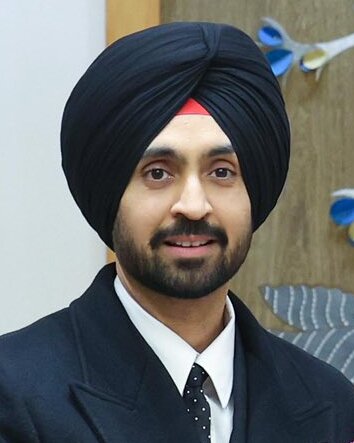
Global Punjabi superstar Diljit Dosanjh has transformed international live music through historic arena sell-outs, Coachella performances, and crossover collaborations. However, alongside his astronomical commercial ascent, the singer and actor has repeatedly collided with state regulatory bodies, censorship boards, and public interest litigation over his songs and politically sensitive film projects.
From government notices restricting live performances of his biggest party anthems during the record-breaking Dil-Luminati Tour to the intense censorship battle surrounding his biographical feature on activist Jaswant Singh Khalra (*Punjab ’95* / *Satluj*), Dosanjh’s career highlights the complex boundaries between artistic expression, regional history, and administrative censorship in India.
Here is the definitive, fact-checked breakdown of Diljit Dosanjh’s restricted tracks, banned or stalled films, and how the artist has navigated these creative standoffs.
—
1. The Banned and Restricted Songs: From “Patiala Peg” to “Case”
The primary legal friction surrounding Diljit Dosanjh’s music catalog stems from allegations of promoting alcohol consumption, substance use, and firearms culture. While these themes are common within contemporary Punjabi pop music, regulatory authorities have intensified enforcement against public concert performances.
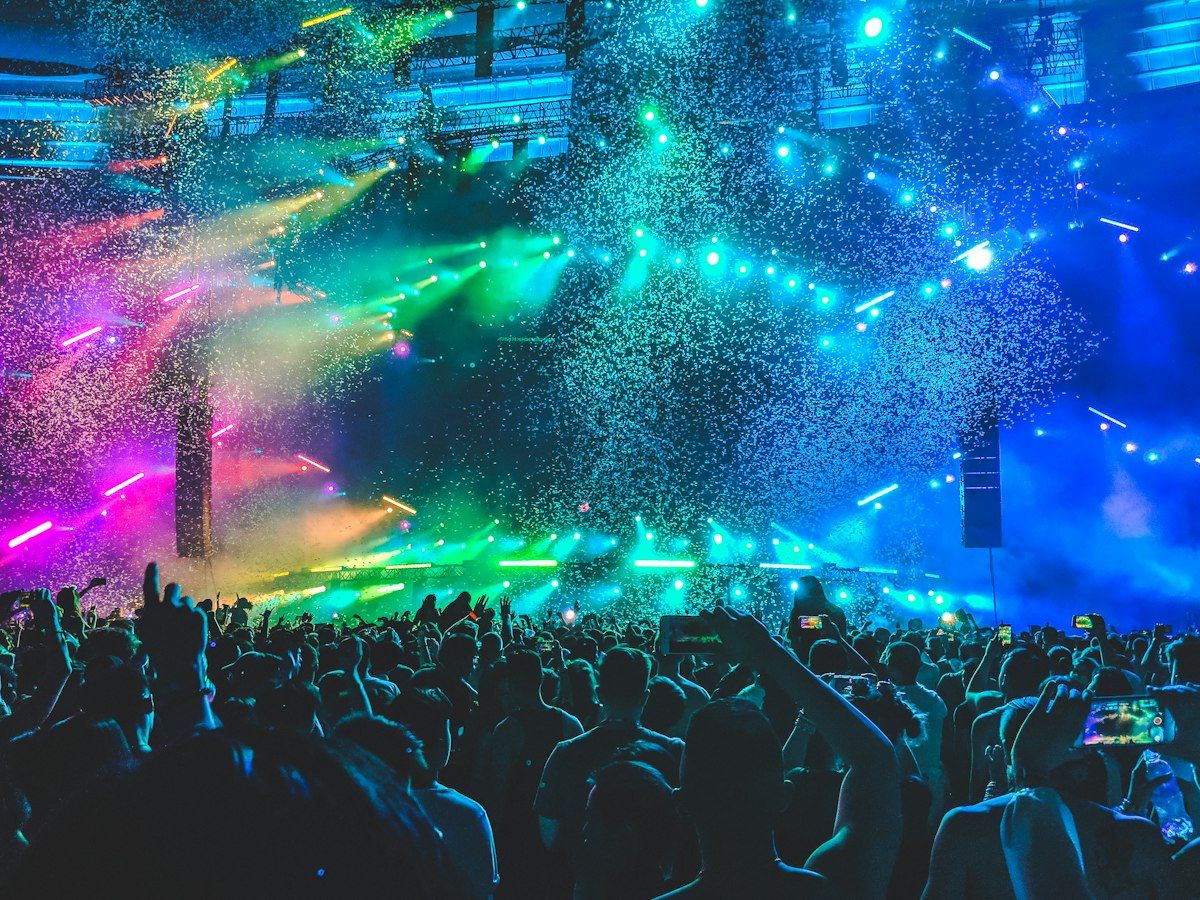
Diljit Dosanjh performing live during his record-breaking world concert tour.
Patiala Peg
Released in 2014, *Patiala Peg* stands as one of Diljit’s career-defining hits, amassing hundreds of millions of streams. Despite its cultural ubiquity at weddings and parties, state departments have formally red-flagged the song for glorifying heavy liquor consumption as an emotional coping mechanism. Ahead of multiple concert dates, organizers received explicit directives barring its inclusion on live setlists.5 Taara
Another chart-topping dance anthem, *5 Taara*, narrates a post-breakup celebration at a local liquor store. Legal petitions filed in Punjab and Haryana courts cited the track as promoting alcohol commercialization to impressionable youth, making it a primary target of municipal restriction notices.Case (Jeeb Vicho Afeem)
*Case* details legal confrontations and features explicit references to contraband substances (*afeem*). District child welfare departments in Madhya Pradesh and Telangana formally singled out this track, mandating that the singer omit it from public stadium events where minors are present.Jatt Fire Karda
Celebrated for its energetic brass composition, *Jatt Fire Karda* nevertheless attracted legal scrutiny due to lyrics celebrating celebratory gunfire and weapon possession, conflicting with judicial guidelines issued to curb gun glorification in popular music.—
2. The Dil-Luminati Tour Censorship Clash & Stage Defiance
During his historic 2024–2025 *Dil-Luminati Tour* across India, the censorship debate reached national headlines following formal intervention by state governments.
The Telangana Government Directive
Ahead of his stadium concert at the GMR Arena in Hyderabad, the Telangana Department of Welfare of Women and Children issued a formal show-cause notice to Diljit Dosanjh and event organizers. Prompted by a complaint filed by a Chandigarh-based activist, the notice strictly prohibited: * Singing tracks referencing alcohol, drugs, or firearms. * Bringing children onto the concert stage amidst flashing strobe lights and sound levels exceeding safe decibel thresholds.Live Stage Modification: “Coke” Instead of “Daaru”
Rather than canceling the songs, Diljit chose witty on-stage compliance that immediately went viral. In *Lemonade*, he famously substituted *”Tainu teri daaru ch pasand aa Lemonade”* with *”Tainu teri coke ch pasand aa Lemonade”*. In *5 Taara*, he switched the lyric *”5 Taara thekke utthe”* to *”5 Taara hotel ch”*.The Nationwide Dry-State Challenge
Speaking to stadium audiences in Ahmedabad, Diljit delivered a pointed critique of double standards in the entertainment industry: * He highlighted that unlike many Bollywood stars, he refuses to endorse or sign commercial advertisements for alcohol brands. * He declared that he would willingly retire all songs referencing alcohol permanently if state governments declared a complete, nationwide ban on liquor sales and shuttered all licensed retail vends.—
3. Video Report: Diljit Dosanjh Addresses Government Concert Notices
Watch this comprehensive television report detailing the administrative restrictions, legal notices, and Diljit Dosanjh’s viral on-stage reactions during his national concert tour:
—
4. The Film Controversies: “Punjab ’95” (Satluj) & 1984 Dramas
While song controversies center on lifestyle lyrics, Diljit Dosanjh’s film projects have faced far heavier political censorship, particularly when exploring sensitive historical events in Punjab.
The Jaswant Singh Khalra Biopic (*Punjab ’95* / *Satluj*)
Directed by Honey Trehan and produced by RSVP Movies, this biographical drama features Diljit Dosanjh in the titular role of **Jaswant Singh Khalra**, the revered human rights activist who investigated illegal cremations and disappearances during the Punjab insurgency before his own abduction and murder in 1995.The 127 CBFC Cuts and Legal Standoff
The Central Board of Film Certification (CBFC) subjected the film to an unprecedented censorship process: * The board initially demanded approximately **120 to 127 individual cuts**, which included removing the name “Khalra,” altering location names such as Tarn Taran, deleting mentions of the Punjab Police, and muting recitations of Sikh scripture (*Gurbani*). * Director Honey Trehan, producer Ronnie Screwvala, and the Khalra family petitioned the Bombay High Court, arguing that the heavy alterations fundamentally distorted verified historical truths established by Supreme Court judgments. * Diljit Dosanjh publicly stated that he would not support or promote a version that compromised the integrity of Khalra’s life story.OTT Premiere and Abrupt Removal
After premiering internationally at the Toronto International Film Festival (TIFF) and enduring three years of domestic certification limbo, the film quietly released on digital streaming platform ZEE5 under the revised title ***Satluj***. However, within days of its streaming debut, the Ministry of Information and Broadcasting directed the platform to remove the title citing national security and law-and-order concerns, triggering widespread debate over creative freedom.*Punjab 1984* & *Jogi*: Navigating Communal Trauma
Prior to *Satluj*, Dosanjh tackled the aftermath of Operation Blue Star and the anti-Sikh violence of 1984 in the National Award-winning film *Punjab 1984* (directed by Anurag Singh) and Ali Abbas Zafar’s digital drama *Jogi*. While these titles secured official release, they faced rigorous certification oversight and sensitive regional screening protocols to prevent public unrest.—
5. Summary Table: Diljit Dosanjh Restricted Songs & Censored Projects
| Song / Film Project | Year of Friction | Nature of Restriction / Issue | Administrative Authority | Current Status |
|---|---|---|---|---|
| **Punjab ’95 (Satluj)** | 2023 – 2025 | 120+ CBFC cuts demanded; pulled from OTT | CBFC / Ministry of I&B | Digital streaming pulled down; festival cut praised |
| **Patiala Peg** | 2014 – Present | Banned from live concert setlists (Alcohol glorification) | Multiple State Departments & High Court rulings | Banned from live stage sets without modified lyrics |
| **5 Taara** | 2015 – Present | Banned from live concert setlists (Liquor references) | Telangana & Madhya Pradesh authorities | Performed with altered family-friendly lyrics |
| **Case (Jeeb Vicho Afeem)** | 2019 – Present | Restricted due to explicit references to contraband | Child Welfare & Municipal authorities | Prohibited at public family events |
| **Jatt Fire Karda** | 2015 – Present | Scrutinized under judicial anti-firearms directives | Punjab & Haryana High Court directives | Restricted from official live stadium broadcasts |
| **Punjab 1984** | 2014 | Sensitive historical certification delays | CBFC Central Board | Released; won National Film Award |
—
6. Artistic Liberty vs. Social Responsibility: The Core Debate
The controversies surrounding Diljit Dosanjh encapsulate a broader cultural struggle within modern Indian media:
The Case for Artistic Freedom
Supporters argue that folk and pop artists reflect existing cultural realities rather than inventing them. Diljit’s folk-infused storytelling celebrates regional vernacular and narrative entertainment. In cinema, his work on Jaswant Singh Khalra represents serious biographical journalism that documented verified human rights findings.The Case for Public Regulation
Public health officials, anti-drug activists, and child protection bodies argue that artists commanding millions of young followers hold an ethical responsibility not to normalize alcohol consumption, celebratory weaponry, or toxic bravado in areas combating substance abuse crises.By modifying his live lyrics on stage and vocalizing the commercial hypocrisy of state-run liquor revenue, Diljit Dosanjh has turned attempts at censorship into an open, democratic dialogue on popular culture and state oversight.
—
Recommended Related Articles on Pulchra
Interested in celebrity profiles, entertainment industry analysis, and creative culture? Explore these related guides from our editorial team:
* Read our in-depth profile on global icons and creative milestones in Famous People Born on November 18: Celebrities, Photos, and Career Milestones. * Understand how modern entertainment empires build digital platforms in How Does MrBeast Make Money? Complete Business Model Breakdown. * Discover essential creative legal frameworks and copyright safeguards in What Does an Intellectual Property Lawyer Do Day to Day?.
—
Frequently Asked Questions
Why were Diljit Dosanjh’s songs banned in Hyderabad and Indore concerts?
State welfare departments and district authorities issued notices restricting tracks like *Patiala Peg*, *5 Taara*, and *Case* because their lyrics explicitly promote alcohol consumption and violence, conflicting with child welfare directives and judicial guidelines.
What happened to Diljit Dosanjh’s movie Punjab ’95?
Based on the life of human rights activist Jaswant Singh Khalra, *Punjab ’95* was delayed for years after the CBFC demanded over 120 cuts. After briefly streaming under the title *Satluj* on ZEE5, it was taken down following government directives citing security concerns.
Did Diljit Dosanjh change his lyrics on stage during the Dil-Luminati tour?
Yes. During his Hyderabad concert, Diljit humorously replaced the word *daaru* (alcohol) with *coke* in *Lemonade*, and swapped *thekke* (liquor store) for *hotel* in *5 Taara* to comply with state directives.
Does Diljit Dosanjh drink or promote alcohol brands?
No. Diljit Dosanjh has publicly stated that he does not consume alcohol and refuses to endorse alcohol or tobacco companies in advertisements, highlighting the contradiction in targeting non-drinking performers while state governments operate liquor retail vends.
Which famous Diljit Dosanjh movie won a National Award?
His 2014 historic period drama *Punjab 1984*, directed by Anurag Singh, won the National Film Award for Best Feature Film in Punjabi.

