


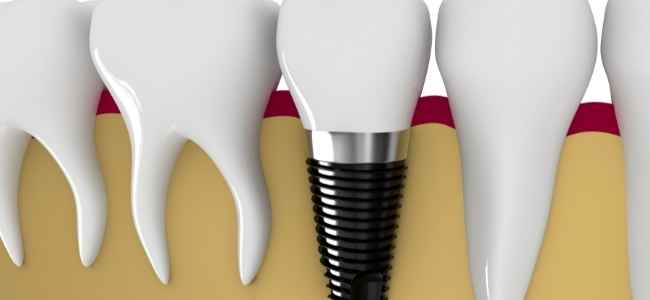
Missing teeth can change your facial appeal. When you lose a tooth, you also lose a bone, which can result in collapsed facial structure, sunken lips, and other undesirable facial changes. If you lose a significant number of bones in your mouth, you can also suffer pinched nerves between your bone and dentures, causing you serious pain. Because of these issues and discomforts, you want to get the best solution for missing teeth.
Thankfully, dental implants are available to help you avoid those unpleasant consequences. They act as tooth roots and blend with your jawbone. By getting these implants, your bones are kept healthy and intact. For Westfield implants, contact the professionals of Dental Studios for a viable replacement alternative for damaged or missing teeth.
How Losing a Tooth can Cause Bone Loss
Your jawbone must be stimulated to maintain its density and shape. Chewing and biting offer this much-needed stimulation. Such regular teeth movement encourages your jawbone to grow and rebuild to give solid support to your teeth. When you lose a tooth, this jawbone will stop getting stimulation, causing it to lose height, width, and volume. When you have several missing teeth, your jawbone tends to atrophy, changing your facial structure.
How Dental Implants Work
Dental implants can effectively replace missing teeth and prevent you from losing tissue in your jawbone. Unlike other tooth loss replacement solutions, these implants mimic the natural roots of your teeth. These titanium posts are surgically placed within your jawbone and attached to dental restorations such as dentures, dental crowns, and bridges.
Your dental implant placement is successful if the jawbone grows around the implant. This growth process is known as osseointegration. Since the implant serves as a natural tooth root, your jawbone will again get stimulation and regenerates itself.
Can You Get Dental Implants If You Have Significant Bone Loss?
Jawbone atrophy can happen because of long-term tooth loss or worn dentures. Dental implants require sufficient jawbone to support them and ensure the treatment is successful. If your bone loss has gone to a significant level, getting dental implants is only possible when a bone graft is performed. This procedure can help in rebuilding portions of your jaw to have sufficient density for dental implant support. Your dental consultation will include taking 3D images of your mouth, including the jawbone. With such images, your dentist can determine if your jawbone has sufficient density and surface area to support the implant.
Performing a Bone Graft
A bone graft offers extra bone mass to hold your dental implants in place and may help regenerate bone. If your dentist determines that a bone graft helps, they will administer local anesthesia and lift your gums. Then, they will place a natural or synthetic bone in the area where your implants need more support. The bone will start to fuse after a few months. Sometimes, it may generate new bone in this area. Once the bone graft has healed, your dentist can place your dental implant and restore your original facial structure.

