


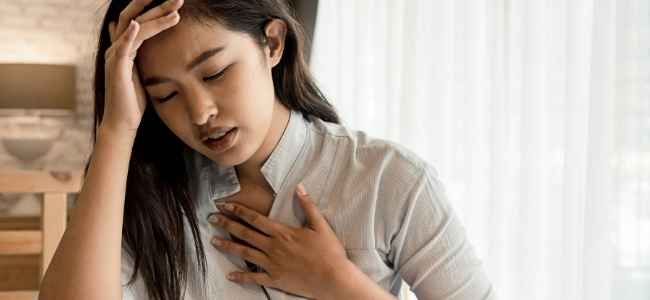
Shortness of breath is one of the common symptoms of COVID-19. Shortness of breath can make it difficult to breathe deeply, and you feel as if the lungs are not getting enough air. Unlike other conditions causing shortness of breath, this symptom can quickly escalate in people affected by COVID-19. You can seek medical help for shortness of breath in Otsego and get other answers about this COVID-19 symptom.
What shortness of breath feels like?
People experiencing shortness of breath describe it differently. As health care providers observe, the sensation can range in intensity. Many people always explain it as feeling out of breath. Others feel like they cannot take satisfying breaths or breathe deeply enough.
When it is severe, it can make a person continually struggle or gasp to catch their breath. You can also feel tightness in the chest, normally when trying to exhale or inhale fully. This symptom can happen during physical activities, and it can be present while resting.
How COVID-19 causes shortness of breath
Shortness of breath occurs depending on how the disease has affected the lungs. Usually, the lungs receive oxygen with each breath, and alveoli capture oxygen and transmit it to other blood vessels nearby. In this process, oxygen gets into the bloodstream and reaches the other body parts.
When SARVS-CoV-2 infects tissues in the lungs, it spreads fast and can affect the epithelial cells in the airways. The immune system releases cells, which cause inflammation in the affected parts. When the inflammatory immune response happens continuously, it prevents the normal transfer of gases like oxygen into the lungs, and there can be a fluid buildup. These factors make it difficult to breathe.
How quickly does shortness of breath develop?
COVID-19 symptoms can occur two to fourteen days after being exposed to SARVS-CoV-2. The time taken between exposure and developing symptoms is about fourteen days. Many people start to experience symptoms within four to five days. Research has shown that difficulty in breathing can occur in five days, after the first symptom of COVID-19 has appeared, in people needing medical care.
Is shortness of breath with COVID-19 severe?
Shortness of breath can predict more illness. People who are unlucky to get pneumonia from COVID-19 are more likely to be breathless than people who don’t get it. They are also likely to have a severe illness, needing oxygen and hospitalization to help them breathe. Sometimes, they have to be placed in an artificial coma and have a machine breathe to buy time until the lungs are in good condition. This is known as artificial ventilation and can be done in the ICU.
Other health conditions can cause shortness of breath. It is not always a symptom of COVID-19. Shortness of breath is mainly a warning of COVID-19 if it comes with a cough, fever, or body aches. Shortness of breath can be mild and lasts for a short time. However, it can lead to pneumonia, multi-organ failure or dysfunction, and ARDS. These are life-threatening complications. Every episode of shortness of breath has to be taken seriously. Always inform your doctor right away if you want to know a way to manage this symptom.

