


Hysterectomy is a procedure to surgically remove the uterus and end the ability of a woman to menstruate or get pregnant. Sometimes, the procedure can involve the removal of other organs or tissues like ovaries and fallopian tubes. Hysterectomies are touted as the second-most performed surgery among American women after caesarian sections. If you plan for a Las Vegas minimally invasive surgery such as a hysterectomy, you need to know what it takes and things to do or to avoid to aid with recovery. Here is what you should know about recovery from a hysterectomy.
Ensure Physical Care
Once the doctor discharges you, you are unable to drive yourself home. You must have someone with you to help you get home. You also need to avoid driving until you stop taking pain medication because the drugs can impair your judgment. After you end pain medication, you can start driving yourself around, usually after about two weeks.
Depending on the pain level, you can gradually increase your daily activity level. Typically, you should be able to resume normal activities after four to six weeks following the surgery. Besides, it would help if you refrained from having intercourse for about six weeks post-surgery.
When it comes to bathing and showering, you can do so as soon as you are at home, but ensure you wash the incision carefully with water and soap.
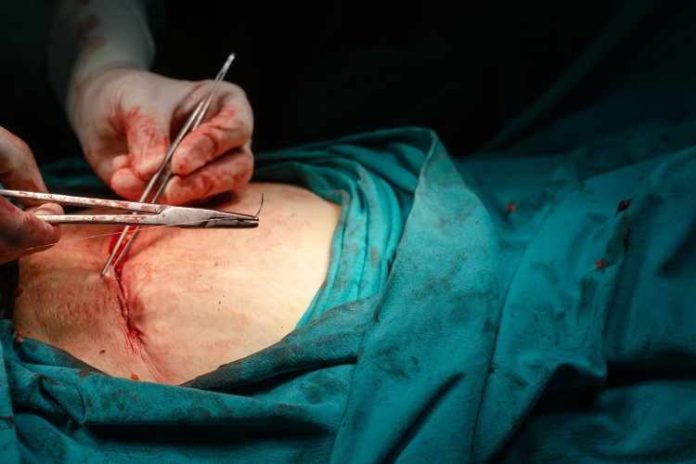
Fortunately, in most cases, you will not need to apply a bandage or have a dressing over the incision. The stitches are going to dissolve over time on their own. If you have staples, they will need to be removed by a specialist, so ensure you accord extra care to the area and keep it clean. You can also use creams and lotions near the incisions to help relieve pesky itching while the wound is healing.
Physical Recovery
In the event that the surgeon removes your ovaries, you may encounter menopause-like symptoms such as hot flashes and mood swings as the body tries to adjust to hormonal changes. Your surgeon will prepare you for this journey before you are discharged.
Although there are some challenges, often, there are many positive benefits you get after a hysterectomy. For example, you get relief from bloating, pelvic pain, and bleeding as well as having a higher libido.
If you experience chills, fever, severe pain, shortness of breath, heavy bleeding, or chest pain after your hysterectomy, you should call your doctor right away. If you experience unusual discharge from incisions and problems urinating and moving your bowels, call the doctor immediately.
Emotional Recovery
It is crucial you take care of your emotional and mental state throughout the process. A majority of women experience mood swings. You may also have fluctuating emotions, but these feelings are normal. Often, they will pass quickly, and you will be happy with the results. To aid with emotional recovery, you need to have a good support network like friends, family members, or therapists.
Knowing what to expect after a hysterectomy can offer you relief and the ability to heal faster. Always ask your surgeon any questions you have and make sure you know what to do and things you should avoid.

