


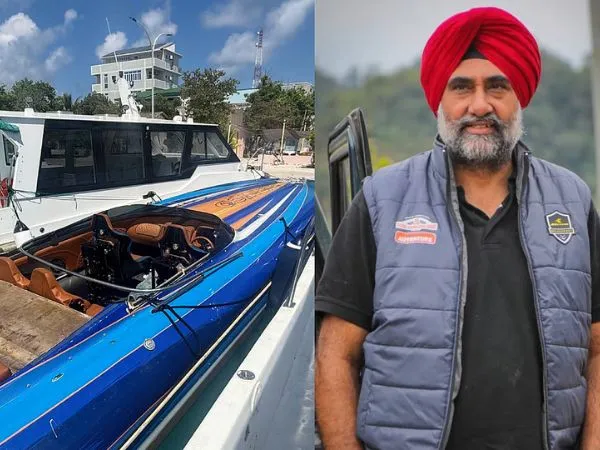
The Republic of Maldives is universally recognized for its idyllic aquatic environments and luxury accommodations, attracting a substantial volume of international tourism annually. However, this idealized perception is occasionally disrupted by critical safety incidents. Recently, reports of a fatal speedboat accident involving a tourist named Hari Singh have circulated widely, underscoring the severe risks that can accompany international travel. Such tragic events serve as a sobering reminder that logistical realities often diverge significantly from the curated narratives of luxury tourism.
The Discrepancy Between Tourism Marketing and Operational Risks
The global tourism industry frequently employs marketing strategies that emphasize idealized, hazard-free experiences. Promotional materials prominently feature pristine environments and high-end amenities while systematically minimizing the logistical complexities and inherent hazards involved in navigating remote archipelagos. Consequently, travelers may arrive unprepared for realities such as high-speed maritime transfers conducted under adverse weather conditions or during nocturnal hours. When passengers board inter-island transport vessels, they implicitly transfer the responsibility for their personal safety to local operators—a significant delegation of control that carries inherent, often understated, risks.
also read :- Artist Banksy: The Ghost Who Trolls the Billionaires
The Psychological and Logistical Impact of Maritime Emergencies
Maritime emergencies in remote locations present profound psychological and logistical challenges. The incident involving Hari Singh highlights the vulnerability of individuals traversing unfamiliar aquatic environments. In the event of an accident, tourists frequently face significant disadvantages, including language barriers, geographical isolation from advanced medical facilities, and an overall lack of situational control. The distress associated with navigating high-seas turbulence in a small vessel can significantly detract from the intended restorative purpose of a vacation, emphasizing the necessity for rigorous safety standards in luxury tourism destinations.
Details of the Incident Involving Hari Singh
The details surrounding the Maldives speedboat accident illustrate the severe consequences of maritime collisions. In the Maldives, speedboats function as the primary mechanism for inter-island transit, operating continuously to accommodate flight schedules. Reports indicate that the incident involving Hari Singh was a high-speed collision. Given the lack of braking mechanisms and structural protections comparable to terrestrial vehicles, high-speed aquatic impacts generate immense blunt-force trauma. This tragic loss of life has catalyzed widespread discourse regarding the adequacy of current maritime safety regulations and the operational protocols of local transport services.
The Logistical Framework of Maldivian Inter-Island Transport
Understanding the infrastructure of Maldivian transport is essential for contextualizing these risks. Upon arrival at the primary international airport in Malé, tourists must utilize secondary transport to reach their designated resorts. This typically involves either a seaplane or a speedboat. Seaplane operations are strictly restricted to daylight hours due to visual flight rules. Consequently, passengers arriving on evening or nighttime flights are required to rely on speedboat transfers. These nocturnal journeys, which can exceed an hour in duration, are frequently characterized by reduced visibility, elevated wave swells, and the persistent navigational hazards posed by submerged reef structures and unlit maritime traffic.
Historical Precedents of Maritime Negligence
Instances of operator negligence in maritime tourist transport are not isolated to the Maldives. Global tourism centers frequently report incidents wherein inexperienced or incautious operators subject passengers to excessive speeds or disregard deteriorating maritime conditions. The physical consequences of such negligence—ranging from severe spinal compression due to wave impact to catastrophic collisions—highlight a systemic issue within the unregulated sectors of international aquatic transport. The absence of standard automotive safety features, such as seatbelts, further exacerbates the potential for injury during turbulent transit.
also read : – Jane Ginsburg: Career, Age, Family, Education, and Life Beyond the Spotlight
Safety Protocol I: Mandatory Personal Flotation Devices
In light of these persistent risks, it is imperative that travelers adopt proactive safety measures, prioritizing personal accountability. The foremost protocol is the immediate and mandatory utilization of personal flotation devices (PFDs). Despite potential aesthetic or comfort-related objections, a properly secured life jacket remains the most critical determinant of survival in a capsizing event. Passengers are strongly advised to secure these devices prior to departure, ensuring all fastening mechanisms are properly engaged, rather than relying on them merely as accessible emergency equipment.
Safety Protocol II: Independent Meteorological Assessment
Furthermore, passengers should exercise independent judgment regarding meteorological conditions. It is advisable to consult reliable, real-time weather radar and wind-speed data rather than relying exclusively on the assurances of hospitality staff or transport operators, who may be influenced by commercial pressures to maintain operational schedules. Should meteorological data indicate severe wind or imminent storm activity, the prudent course of action is to delay transit until daylight or until conditions have demonstrably improved, prioritizing personal safety over itinerary adherence.
Safety Protocol III: Asserting Passenger Safety Rights
The third critical protocol involves the assertion of passenger safety rights. Individuals must be willing to advocate for their own security if transport operators engage in reckless behavior, such as maintaining unsafe speeds in turbulent waters. Societal norms regarding politeness should be suspended in scenarios where physical safety is compromised. Directing the vessel’s captain to reduce speed or alter course is a necessary intervention when operational parameters exceed acceptable risk thresholds.
Jurisdictional Challenges and the Importance of Travel Insurance
Navigating the aftermath of a severe accident in a foreign jurisdiction introduces substantial legal and administrative complexities. Local law enforcement, disparate legal frameworks, and potential linguistic barriers can severely impede the pursuit of transparency and justice for affected families. To mitigate the financial and logistical burdens associated with international emergencies, the acquisition of comprehensive travel insurance is essential. Policies must specifically include provisions for emergency medical evacuation and repatriation, ensuring that adequate resources are available to navigate complex international crises.
also read : – Noah Wyle opens up about the roles that shaped him — and the life he built beyond ER
Imperatives for the Maldivian Tourism Sector
The incident involving Hari Singh should serve as a catalyst for systemic reform within the Maldivian tourism and transport sectors. Regulatory bodies must mandate and enforce enhanced safety protocols to protect the significant influx of international visitors. Recommended measures include the mandatory installation of advanced navigational lighting on all transport vessels, the implementation of GPS-monitored speed limit enforcement, and rigorous, systematic substance testing for maritime operators. The prioritization of passenger safety is an ethical imperative that must supersede commercial expediency.
The Inherent Risks of Nocturnal Maritime Transfers
Specifically, the practice of conducting long-distance maritime transfers during nocturnal hours warrants critical reassessment. The profound reduction in visibility significantly impairs an operator’s ability to detect rogue waves, maritime debris, and unlit vessels, forcing a dangerous reliance on electronic navigation instruments in highly variable environments. Tourists are advised to optimize their travel itineraries to ensure daylight arrivals in Malé, thereby mitigating the substantial risks associated with navigating the Indian Ocean under the cover of darkness.
also read : – Kendall Jenner: One Of The Highest Paid Models In The World?
Frequently Asked Questions (FAQ)
Are speedboat transfers in the Maldives statistically safe?
Statistically, the majority of maritime transfers in the Maldives are completed without incident. However, the inherent risks associated with high-speed watercraft operating in variable oceanic conditions dictate that the probability of an accident is never absolute zero.
Are personal flotation devices provided on these vessels?
Maldivian maritime regulations mandate the presence of personal flotation devices on all transport vessels. However, enforcement regarding the mandatory wearing of these devices by passengers is inconsistent, necessitating personal vigilance.
Are alternative methods of inter-island transport available?
Seaplanes offer an alternative mode of transit for longer distances; however, their operation is strictly confined to daylight hours. Nocturnal arrivals necessitate the utilization of speedboat transfers.
What were the circumstances of the Hari Singh incident?
The incident involved a severe collision during a high-speed maritime transfer in the Maldives, resulting in a tragic fatality and prompting renewed scrutiny of local maritime safety regulations.
Should prospective travelers cancel itineraries due to safety concerns?
Cancellation is generally deemed unnecessary. Instead, travelers are advised to exercise heightened situational awareness, utilize safety equipment, independently verify weather conditions, and preferentially schedule daylight transit.
The Enduring Appeal of Global Tourism
Despite the inherent risks highlighted by such incidents, the fundamental value of international travel remains significant. Tourism facilitates cross-cultural engagement and provides exposure to diverse global environments. The objective of analyzing these risks is not to discourage exploration, but rather to promote a culture of informed and vigilant travel.
Conclusion: Prioritizing Vigilance in Tourism
In conclusion, engaging with international environments necessitates a balance of appreciation and pragmatism. While the Maldives offers unparalleled natural beauty, the tragic circumstances surrounding Hari Singh emphasize the critical need for situational awareness and personal accountability in unfamiliar settings. By adhering to established safety protocols, independently assessing environmental risks, and advocating for personal security, travelers can significantly mitigate the hazards associated with global exploration.

