


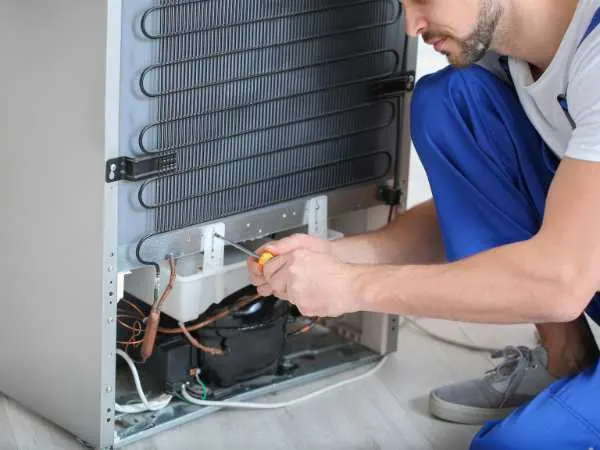
Everyone needs a working refrigerator. It keeps your milk cold, your vegetables fresh, and your leftovers safe to eat. But what happens when your fridge suddenly stops working? Don’t worry. Refrigerator repairs aren’t as scary as they sound. In this guide, I’ll explain everything you need to know about refrigerator repairs. We’ll keep it simple, honest, and easy for anyone to follow.
Why Refrigerators Matter in Everyday Life
Let’s start simple. Refrigerators are the heart of any kitchen. They help families save money by keeping food fresh for days. When your refrigerator stops working, it can feel stressful. Food spoils, drinks get warm, and everyone wants it fixed fast.
But before you panic and buy a new one, remember: most refrigerator repairs are easy and cost much less than a new fridge. Knowing what to do can save you time, money, and headaches.
Common Refrigerator Problems (And What They Mean)
Here are some of the most common problems people face with their refrigerators:
- Fridge not cooling
- Freezer working but fridge warm
- Water leaking inside or outside
- Strange noises
- Ice maker not working
- Frost build-up
- Light not turning on
Each problem has a few likely causes. Let’s go through each, one by one, and talk about simple fixes.
Problem 1: Refrigerator Not Cooling
This is the most common problem. You open the door and find your milk warm. Here’s what to check first:
- Is the fridge plugged in? It sounds silly, but sometimes a loose plug is the problem.
- Is the temperature set correctly? Make sure the dial inside isn’t set too high.
- Is the door closing all the way? Sometimes food blocks the door, letting cold air out.
- Are the condenser coils dirty? Dusty coils make the fridge work harder and cool less. Find the coils (usually at the back or bottom) and clean them with a vacuum or soft brush.
Real-life example:
My neighbor’s fridge stopped cooling. Turns out, her grandchild had unplugged it while playing hide-and-seek. A quick check saved her from a repair bill!
Problem 2: Freezer Works, Fridge is Warm
If your freezer is cold but the fridge is not, air isn’t flowing properly. Here’s what to do:
- Check the vents: Make sure nothing blocks the vents between the fridge and freezer.
- Check the evaporator fan: If you don’t hear the fan running when the door is closed, it might be stuck or broken.
- Defrost the freezer: Too much ice can block airflow. Unplug your fridge, leave the doors open, and let the ice melt. Dry everything and turn it back on.
Problem 3: Water Leaking
Water on the floor or inside the fridge? Try these steps:
- Clear the drain hole: Most fridges have a small hole at the back. If it clogs, water collects inside. Use a pipe cleaner or straw to clear it.
- Check the water line: If you have an ice maker or water dispenser, make sure the water line isn’t loose or cracked.
Problem 4: Strange Noises
Is your fridge making weird humming, rattling, or clicking sounds? Most noises are harmless, but some need attention.
- Rattling: Check if the fridge is level and nothing is vibrating against it.
- Clicking: This could be the compressor turning on and off. If it clicks constantly and doesn’t cool, call a pro.
- Humming: Normal, unless it’s very loud or new.
Problem 5: Ice Maker Not Working
No ice? Here’s what to try:
- Is the water supply on? Check the valve behind the fridge.
- Is the ice maker switched on? There’s often a small arm or switch.
- Is the ice maker jammed? Sometimes cubes get stuck. Gently break up any clumps.
Problem 6: Frost Build-Up
Too much frost in your freezer or fridge?
- Check the door seal: If the seal is cracked or dirty, warm air gets in. Clean it or replace it if needed.
- Defrost regularly: If you have an older fridge, you may need to unplug and defrost it every so often.
Problem 7: Light Not Working
If the fridge light doesn’t come on:
- Check the bulb: Replace it if it’s burnt out.
- Check the switch: The small button the door pushes in may be stuck.
When to Call a Professional
Some problems are best left to a qualified technician. Call for help if you notice:
- The fridge is completely dead and won’t turn on.
- The compressor is very hot or smells burnt.
- You see sparks or smell burning wires.
- The repair needs special tools or electrical work you’re not comfortable with.
Don’t risk your safety for a DIY repair if you’re unsure.
How Much Do Refrigerator Repairs Cost?
Costs can vary. Here’s a simple guide:
- Small fixes (like a new bulb or cleaning coils): Usually under $50.
- Medium repairs (like fixing a fan, thermostat, or seal): Often $100-$250.
- Major repairs (like a new compressor): Can cost $300-$500.
If your fridge is old and the repair is expensive, sometimes it’s better to buy a new one. Ask your repair tech for honest advice.
Tips to Prevent Refrigerator Problems
Here’s how to keep your fridge running smoothly:
- Clean coils twice a year.
- Don’t overload the fridge. It needs space for cold air to move.
- Check and clean the door seal regularly.
- Keep the fridge away from heat sources like ovens or sunny windows.
- Defrost as needed.
Real-Life Story: How Regular Checks Save Money
My uncle checks his fridge every three months. He vacuums the coils, checks the door seal, and makes sure nothing blocks the vents. His fridge is over 15 years old and still works great. Simple, regular care keeps it running—and saves money!
Frequently Asked Questions (FAQs)
How often should I clean my refrigerator coils?
At least twice a year. If you have pets or live in a dusty area, clean more often.
Why does my fridge smell bad even after cleaning?
Check for spills under the drawers and in the drip pan. Clean with baking soda and water.
Can I fix my fridge myself?
Many simple repairs are safe for anyone to try. But if you’re not sure, call a pro.
Is it worth repairing an old fridge?
If your fridge is more than 10 years old and the repair costs over half the price of a new fridge, it might be better to replace it.
My fridge runs all the time. Is that normal?
Modern fridges run longer to save energy. But if it never shuts off, check the door seal and coils.
Final Thoughts: Don’t Panic—Most Refrigerator Repairs Are Simple
A broken refrigerator can feel like a big problem. But most of the time, the fix is simple and quick. Always start with easy checks: the plug, the settings, the coils, and the seal. Keep your fridge clean and don’t ignore small problems—they’re usually easy to fix if you catch them early.
If you’re stuck, don’t be afraid to call a professional. With a little care, your refrigerator will keep your food fresh and your kitchen happy for years to come.

