


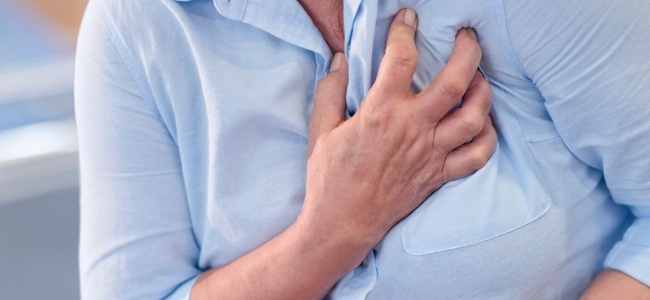
A heart attack occurs when one of the heart’s coronary arteries suddenly becomes wholly blocked, or blood flow is extremely slow. These blockages deprive the heart of oxygen, causing ischemia or restriction of oxygen to other parts of the body. If this condition persists for too long, the heart tissue begins to die off in areas that feed on the blocked artery, causing a heart attack. Bhupinder Singh MD, and his team at Heart and Vascular treat heart conditions through different interventions. Here are the facts about heart attacks you need to know.
Causes
The leading cause of a heart attack is the formation of a blood clot that occurs inside a narrowed coronary artery due to the accumulation of fatty deposits along the inner walls. Subsequently, this leads to your heart muscle lacking oxygen, causing irreversible damage.
Low blood flow can also occur if your heart is beating very quickly or due to low pressure. Where oxygen exceeds the supply, a heart attack can occur even without the formation of a clot. In rare cases, a spasm of a coronary artery can also trigger a heart attack.
Are You at Risk?
A heart attack can occur due to many factors. The primary cause is abnormally high blood cholesterol levels and high blood pressure. It can also occur if your family has a history of coronary heart disease.
Underlying conditions such as obesity and diabetes are contributing factors to this condition. Also, lack of physical activity and lifestyle choices such as alcohol abuse, smoking, and sitting for long hours without exercise can lead to a heart attack.
In middle age, men have a higher risk of developing a heart attack than women—however, the risk for women increases during menopause.
What to Look Out for
The nature of the symptoms of a heart attack depends on each heart attack. The first signs include discomfort, tightness, squeezing, and pain in your chest area or under the breast bone. Likewise, your chance of survival depends on the location and degree of the coronary artery blockage.
You may also experience discomfort in your back, jaw, throat, or arm. Another common symptom is a feeling of choking, stomach upset, indigestion, dizziness, and vomiting. You may also feel weak, have shortness of breath, or have a fast or uneven heartbeat.
Sometimes you may not even notice any symptom, which is more common if you have diabetes.
Seeking Help
After developing the above symptoms, you need to seek medical attention for the doctor to make a proper diagnosis. Worth noting, the best time to treat an attack is within 1 to 2 hours after the onset of the symptoms. A longer wait may mean more harm to your heart and less chance of complete recovery or rehabilitation.
Upon arrival at a medical facility, the treatment and emergency care will depend on how stable you are. Your doctor may administer aspirin to prevent blood clotting in the coronary arteries. Also, you will be given oxygen, pain relievers, and other medication.
While in hospital, you will go through the initial stages of rehabilitation, which includes daily medication to lower your blood pressure and prevent clotting.
In many respects, additional treatment and rehabilitation depend on whether you have developed late complications. Contact the experts at Heart and Vascular Care for assessment and treatment recommendations.

